Unmasking: Lifting the veil on autism in women

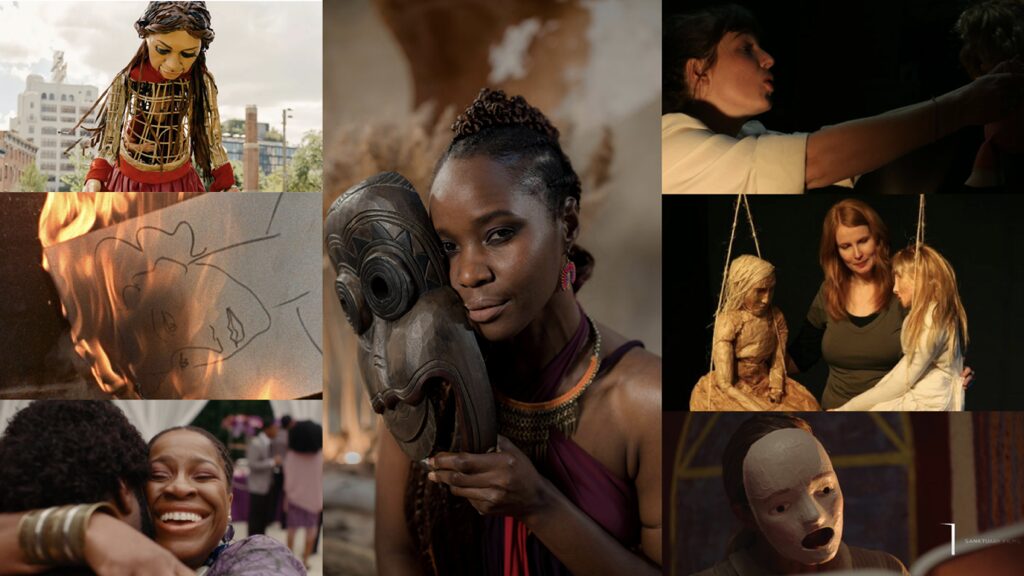
A new South African awareness campaign and feature documentary, Unmasking, is shifting the national conversation about autism — particularly the women who have spent lifetimes being misread, mislabelled and missed entirely by a system that did not know how to see them.
Driven by Wendy Bowley, who was diagnosed with autism at age 44, Unmasking pairs a feature documentary with a national awareness drive built around a simple invitation: “Take Off the Mask.” The project is asking South Africans to consider the parts of themselves they have learned to hide in order to belong — and what it costs to keep performing.
“Getting diagnosed didn’t change who I am, but it changed how I understood my life,” says Bowley.
For women, late recognition is the rule rather than the exception. Many grow up being called “too sensitive,” “difficult” or “too much” — descriptions that quietly paper over an unrecognised reality. The masking that follows, often beginning in childhood, comes at a price: burnout, anxiety, and a deep sense of not belonging in one’s own life.
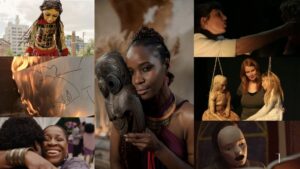
Unmasking is co-directed by award-winning filmmaker Jordy Sank and SAFTA-winning writer-director Karen Jeynes, who brings her own lived experience as an autistic woman to the project.
“Over time, that performance becomes so natural that many women don’t even realise they’re doing it,” says Jeynes.
A WRITER WHOSE WORK HAS SHAPED A GENERATION OF SOUTH AFRICAN STORYTELLING
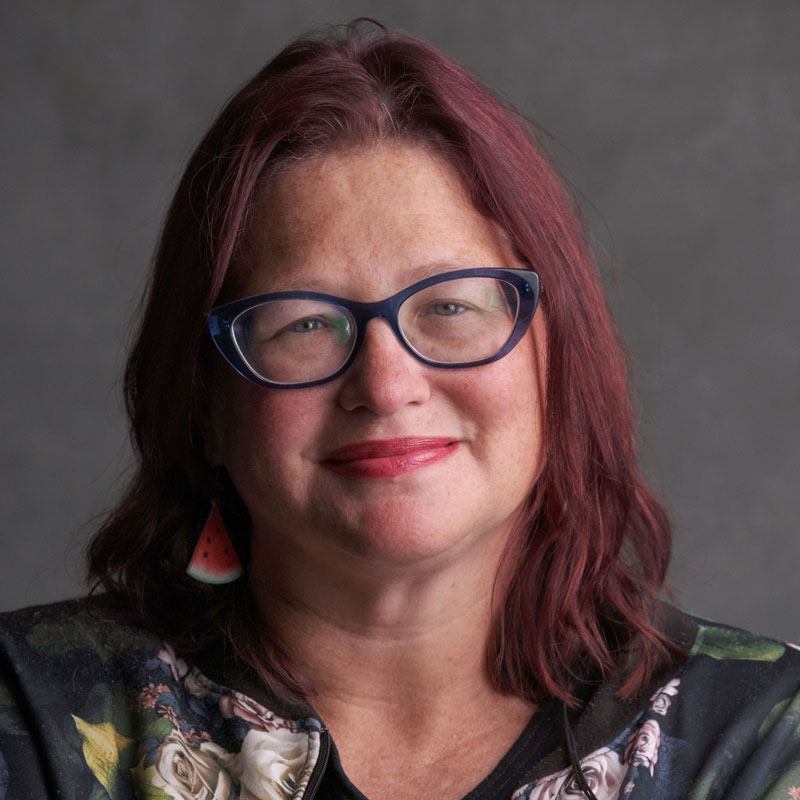
Karen Jeynes is one of South Africa’s most accomplished screenwriters. As Head Writer and Producer at Cape Town-based Both Worlds Pictures, she steered ZANews: Puppet Nation ZA to multiple SAFTAs and two International Emmy nominations, won the SAFTA for Best Game Show with Point of Order, and adapted and co-directed M-Net’s acclaimed Recipes for Love and Murder, distributed globally on Acorn TV.
Her most recent honours came at the 19th SAFTAs in March 2026, where Both Worlds Pictures’ Prime Video comedy-drama The Morning After — co-written and co-directed by Jeynes — was named Best TV Comedy and swept three additional craft awards: Best Achievement in Editing, Best
Achievement in Art Direction, and Best Achievement in Wardrobe (TV Comedy). Both Worlds entered the ceremony with 13 nominations across three productions.
Her plays — among them Everybody Else (is F*cking Perfect) and Laying Blame — have been translated into seven languages and staged internationally. She is currently pursuing a PhD at the University of Pretoria focused on autistic representation in South African television — research that informs Unmasking and her broader advocacy.
DAWN: BUILDING AN INDUSTRY THAT MAKES ROOM FOR ITS OWN
Jeynes is also a co-founder of DAWN — the Disabled Audiovisual Workers Network — a South African body advocating for creatives with disabilities behind and in front of the camera. DAWN’s premise is straightforward: representation on screen is incomplete without representation in the writers’ room, the edit suite, the production office and the boardroom.
That principle is built into Unmasking itself. The production team includes neurodiverse creatives by design, ensuring that the women whose stories are being told are part of the telling.
WHY THESE STORIES MUST BE TOLD
For decades, the diagnostic frameworks for autism were built around the experiences of boys. Generations of girls and women were left to figure themselves out alone — often only finding language for their lives in their thirties, forties or fifties, sometimes after their own children were
diagnosed first. The cost is measured in marriages, careers, mental health, and years spent feeling like a stranger to oneself.
Stories like Wendy’s, and projects led by people like Karen, do something policy alone cannot. They give a name to an experience, hand the microphone to those who lived it, and signal to the next girl being told she is “too much” that there is nothing wrong with her — only with the room she has been asked to fit into.
GET INVOLVED
Unmasking has launched a national fundraising drive on BackaBuddy with a R1 million target to complete the documentary. Supporters can contribute and follow the campaign at www.backabuddy.co.za
For ongoing coverage of inclusion, accessibility and disability storytelling across South Africa’s screen industries, follow DAWN at www.dawn.africa